 yesarticle.com Free Articles and Guide
Hey there! If you’ve ever wondered how your feelings influence the way you act (or how that weird guy at the coffee shop seems to explode with anger at the slightest inconvenience), you’re not alone. The intersection of emotion and behavior has turned into a super cool topic in modern psychology that’s totally worth exploring. So, let’s dig in!
Emotions: The Heartbeat of Human Experience
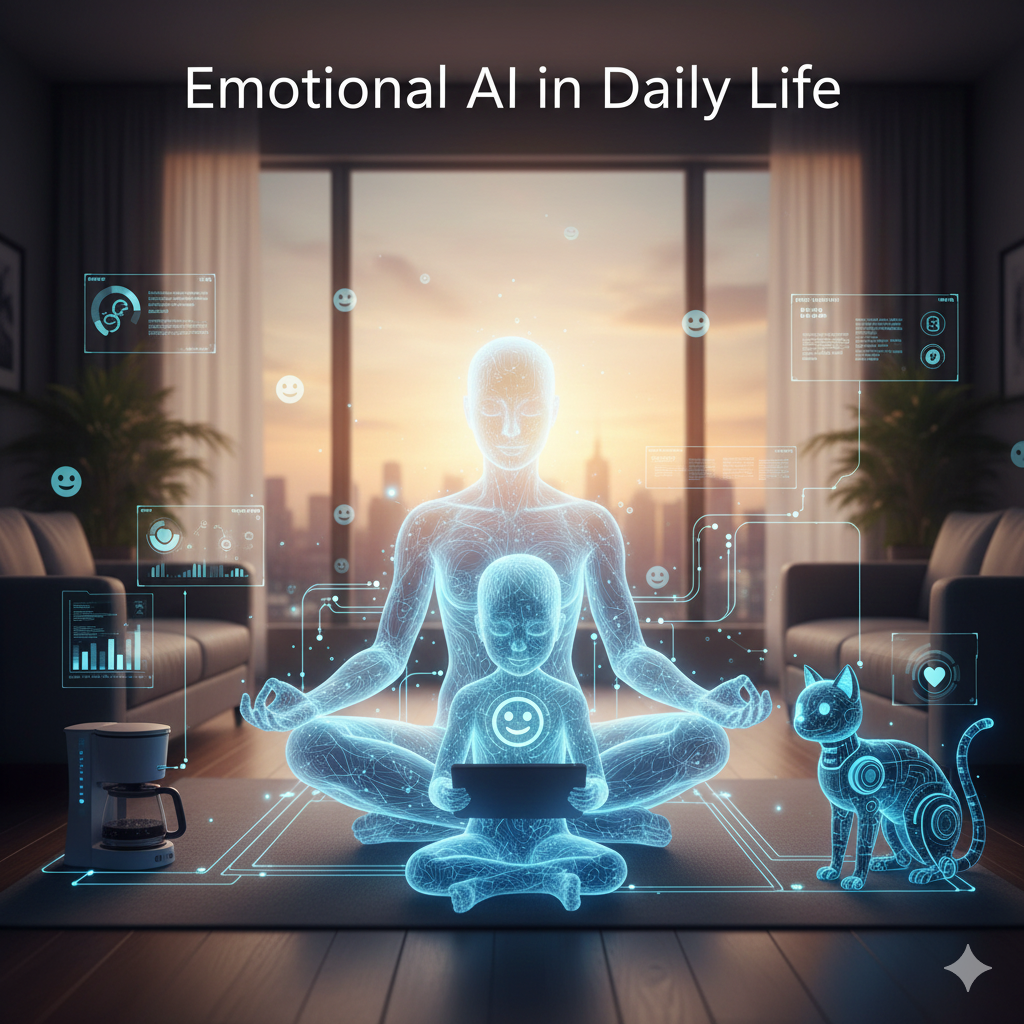
First off, let’s talk about emotions. We all experience them—whether it’s the rush of joy when your favorite song comes on, the gut-wrenching anxiety before a big presentation, or the deep sadness after a breakup. These feelings are like the spices in our lives, adding flavor, depth, and sometimes, a little too much heat!
In psychology, emotions are often seen as the driving force behind our actions. Picture this: you wake up to a rainy, gloomy day. Suddenly, you feel a bit down. That bummer feeling might lead you to cancel plans with friends or opt for a Netflix binge instead of hitting the gym. So, your emotional state directly influences your behavior. How cool (and a little scary) is that?
Behavior: The Action Side of the Coin
Now, let’s not forget about behavior—the actions we take that reflect how we’re feeling. It’s like the tip of the iceberg that shows what’s really going on underwater. For instance, if you’re feeling stressed out, you might snap at your partner over something trivial or skip your lunch break out of sheer overwhelm.
Modern psychology digs deep into this connection. Behavioral psychology, for example, examines how our actions are shaped by the emotions we experience. Have you ever noticed how some people tend to retreat inward when they’re upset, while others might go on a social media rant? Why do emotional states lead to such different behaviors? That’s the heart of the matter!
The Science Behind It All
Alright, let’s get a little nerdy for a moment. Studies have shown that emotional states can actually prime us for specific behaviors. The famous “affect-as-information” theory suggests that when we experience a particular emotion, we often use that feeling as a sort of mental shortcut to decide how to behave. If you’re feeling happy, you might be more inclined to help someone out or take on a new challenge. On the flip side, feeling sad or anxious could lead you to shut down or avoid situations altogether.
Ever heard of the fight-or-flight response? When your brain detects a threat (like that giant spider creeping up on you), it triggers an immediate emotional reaction—fear! From there, your body goes into action mode, prepping you to either take down the spider or run for the hills.
Emotions in the Digital Age
In our modern world, the whole emotion-behavior tango is even more fascinating. With social media becoming a massive part of our lives, how we express and manage our emotions has evolved. A quick scroll through Instagram can stir up all sorts of feelings—happiness, jealousy, or sometimes, that confusing mix of both. This emotional rollercoaster can lead to behaviors we wouldn’t normally engage in, like oversharing personal information or comparing our lives to those perfect vacation photos.
The rise of mental health awareness online has opened up a dialogue about how to deal with these emotions and thoughts. Finding communities that resonate with you can help in understanding your feelings and encouraging healthier behaviors.
Navigating the Emotions-Behavior Relationship
So, what’s the takeaway from all this? Understanding the relationship between our emotions and behaviors is key to navigating life more effectively. Here are a couple of handy tips you might find useful:
-
- Check-in with Yourself: Take a moment each day to reflect on what you’re feeling. Recognizing your emotions can help you make sense of your actions.
-
- Choose Your Responses Wisely: When strong emotions hit, pause before reacting. Consider how your next action aligns with what you truly want.
-
- Reach Out: When emotions get overwhelming, don’t hesitate to talk to someone you trust. Sometimes just vocalizing your feelings can shift your perspective and boost your behavior.
-
- Practice Mindfulness: Techniques like meditation or deep breathing can help you gain control over your emotions, making it easier to respond rather than react.
Final Thoughts
The dance between emotion and behavior is a beautiful, chaotic, and sometimes confusing part of being human. By unraveling the layers of this connection, we can not only better understand ourselves but also foster healthier relationships with others.
So, the next time you find yourself feeling a bit “off” or reacting in a way that surprises you, remember: it’s all part of the intricate tapestry of our minds. Embrace the chaos, learn from it, and keep exploring the fascinating world of your emotions!