 yesarticle.com Free Articles and Guide
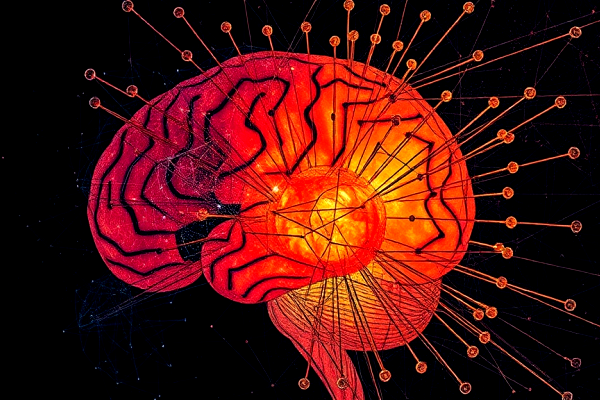
In a world brimming with contrasting personalities, motivations, and reactions, the intricacies of human behavior often remain shrouded in mystery. The art of unraveling these complexities is not just an academic pursuit; it’s essential for enhancing our relationships, improving communication, and fostering empathy. Understanding human behavior is a journey into the psyche, unveiling layers that contribute to who we are as individuals and how we interact with the world around us.
The Layers of Human Behavior
At the core of human behavior lies a blend of biological, psychological, and social factors. This triadic relationship shapes our actions and reactions. For instance, our environment plays a crucial role in molding our responses. A person raised in a nurturing setting may display different behavioral traits compared to someone who faced constant adversity.
Biological Influences
Genetic makeup and physiology can dictate predispositions towards certain behaviors. Studies have shown that neurotransmitters, such as dopamine and serotonin, significantly influence mood and decision-making processes. Understanding these biological foundations strives to unveil why certain individuals may seem more predisposed to anxiety or risk-taking behaviors than others.
Psychological Factors
Cognition, emotions, and learned experiences contribute immensely to our behavioral patterns. Cognitive behavioral therapy (CBT) is grounded in the understanding that altering negative thought patterns can transform behaviors. Awareness of these psychological triggers can lead individuals toward self-improvement and emotional well-being.
Social Dynamics
Human beings are inherently social creatures. The influence of family, culture, and peer relationships is profound. Social learning theory underscores how people learn behaviors by observing others. Understanding the social context in which a behavior occurs can offer insight into why individuals act the way they do.
The Role of Empathy in Understanding Behavior
Empathy is a powerful tool in the art of unraveling complex human behaviors. By stepping into the shoes of others, we can foster deeper connections and enhance our understanding of their experiences. Empathy doesn’t just help us relate to others; it enriches our comprehension of their emotional states, motivations, and suffering.
Active Listening and Observation
To truly understand someone, we must engage in active listening. This means not only hearing their words but also observing body language, tone, and context. These non-verbal cues often convey more than spoken language. Pay attention to subtle expressions, gestures, and feelings – they reveal deeper truths about an individual’s emotional landscape.
The Complexity of Human Relationships
Relationships are often a tapestry woven from myriad complexities. Misunderstandings, differing communication styles, and unresolved conflicts can create friction. By applying the art of unraveling human behavior, we can address these issues head-on. Reflect on your views and assumptions, challenge them, and engage with others to foster clearer lines of communication.
Conflict Resolution
In any relationship, conflict is inevitable. Instead of evading it, understanding the underlying causes is vital. Different perspectives stem from personal experiences and expectations. By acknowledging these differences and approaching situations with patience and an open mind, resolution becomes more attainable.
Application in Daily Life
Understanding complex human behaviors isn’t reserved for psychologists or sociologists. Each one of us can benefit from this knowledge in our daily interactions. Here are a few practical ways to apply this understanding:
-
- Reflect on Your Reactions: When faced with a situation that frustrates or confuses you, take a moment to consider your emotional response. What’s driving that reaction? Is it a past experience or an assumption?
-
- Challenge Your Assumptions: Recognize that every individual has a unique background that shapes their perspectives. Approach conversations with curiosity rather than judgment.
-
- Foster Open Communication: Encourage dialogue about feelings and motivations. Create safe spaces where emotions can be expressed without fear of ridicule.
-
- Practice Empathy Daily: Make it a habit to put yourself in someone else’s position, seeking to understand their worldview and emotional state.
Conclusion
The art of unraveling complex human behaviors is an ongoing journey requiring patience, curiosity, and understanding. By delving into the biological, psychological, and social layers that shape us, and by actively practicing empathy, we can enhance our relationships and foster a deeper appreciation for the diversity of human experiences. Embrace the complexities of behavior – after all, it is these intricacies that make us human.