 yesarticle.com Free Articles and Guide
In the culinary world, the concept of pairing flavors is an age-old practice that transcends cultures and cuisines. The art of pairing food and beverages—whether it’s wine, coffee, or craft beer—can transform an ordinary meal into an extraordinary dining experience. This piece aims to explore how taste harmony can elevate Food and Beverage (F&B) experiences, while providing practical tips and insights for both novices and seasoned gastronomes.
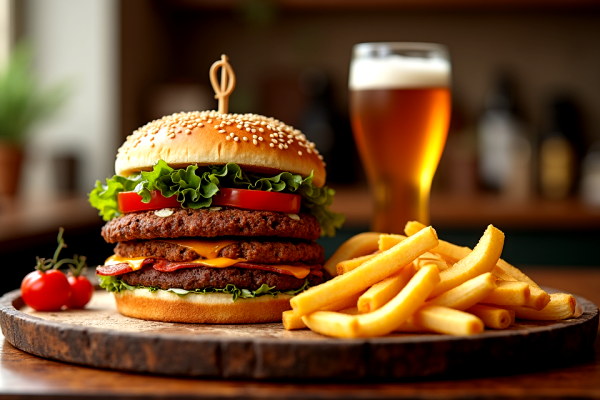
Understanding Taste Harmony
Taste harmony refers to the balance and interaction of flavors that create a pleasing experience for the palate. It’s about understanding the fundamental tastes: sweet, salty, sour, bitter, and umami—and knowing how to combine them effectively.
Key Factors to Consider in Pairing
Here’s a quick overview of crucial elements that contribute to successful pairing:
| Factor | Description |
|---|---|
| Flavor Profile | The distinct flavors present in both food and drink. |
| Aromatics | The scents that enhance the overall experience. |
| Texture | Mouthfeel influences—crunchy, creamy, etc. |
| Temperature | Serving food and beverage at optimal temperatures. |
| Acidity | Balancing acidity for freshness. |
| Weight | Considering body and intensity of the beverage and food. |
The Basic Principles of Pairing
-
- Complementing Flavors: Pair foods and beverages that have similar flavor profiles. For example, a rich, full-bodied red wine pairs well with a robust steak.
-
- Contrasting Flavors: Sometimes opposites attract! Pair a creamy cheese with a sweet dessert wine to create a delightful contrast and elevate both tastes.
-
- Regional Pairing: Traditional pairing often follows geography. Foods and beverages from the same region tend to complement each other well. Think of Chianti with Italian pasta dishes.
-
- Seasonal Pairing: Take advantage of seasonal ingredients. Fresh summer berries go well with light, crisp white wines.
-
- Experimentation: Don’t hesitate to break the rules! The beauty of the culinary arts lies in creativity. Unique choices can yield delightful surprises.
Popular Pairing Examples
Here’s a table featuring some classic pairings that exemplify taste harmony:
| Food/Beverage Pairing | Description |
|---|---|
| Red Wine & Grilled Lamb | The tannins in red wine complement the richness of the lamb. |
| Chardonnay & Lobster | The buttery texture of Chardonnay enhances the sweetness of lobster. |
| Dark Beer & Chocolate Cake | The roasted flavors in dark beer pair exquisitely with the rich cocoa. |
| Spicy Asian Cuisine & Riesling | The sweetness of Riesling balances the heat of spicy dishes. |
| Coffee & Croissant | The bitterness of coffee enhances the buttery, flaky texture of croissants. |
The Science Behind Taste
Research has shown that the brain responds to taste and aroma, significantly influencing our overall dining experience. When flavors complement each other, they create a pleasurable experience that can elicit emotional responses.
The Importance of Aroma
Aromas can enhance or detract from taste. Many flavors come from the olfactory senses. Consider serving a fragrant dish alongside an aromatic beverage to heighten the overall experience.
Practical Tips for Pairing at Home
-
- Use Occasional Themes: Organizing tasting experiences focusing on specific themes, such as “Mediterranean Night” helps in making harmonious pairings.
-
- Engage All Senses: Presentation matters. Visually appealing platters and drinks elevate the dining experience.
-
- Educate Yourself: Consider taking a course on wine or coffee tasting. Knowledge can enhance the sophistication of your pairing endeavors.
-
- Ask for Recommendations: Don’t hesitate to consult with sommeliers or baristas. Their expertise can guide you toward unexpected yet delightful combinations.
-
- Record Your Experiences: Keep a journal detailing what you tried and what you liked. This helps refine your palate over time.
Conclusion
Mastering the art of pairing can elevate your F&B experiences significantly. By understanding the principles of taste harmony, experimenting with different combinations, and being mindful of the elements that contribute to flavor, anyone can create memorable meals. Whether you’re serving a casual dinner or hosting a grand feast, applying the art of pairing will not only enhance flavors but also forge lasting memories—one bite and sip at a time.
Key Facts
-
- Food and beverage pairing is rooted in historical and cultural practices.
-
- Taste harmony can elevate the dining experience through thoughtful combinations.
-
- The olfactory sense plays a significant role in how flavors are perceived.
-
- Experimentation can lead to delightful discoveries that push culinary boundaries.
By embracing these principles and insights, you can not only refine your own palate but also impress friends and family with your newfound pairing prowess!