 yesarticle.com Free Articles and Guide
The Gut Health Revolution: A Comprehensive Guide to Prebiotics
In the evolving world of nutritional science, we have moved beyond simply “counting calories” to “feeding our microbes.” Your gut is home to trillions of microorganisms, collectively known as the gut microbiome. While probiotics—live beneficial bacteria found in fermented foods—often get the headline, they cannot survive without prebiotics.
This article explores the science behind prebiotics, their physiological mechanisms, and how to construct a high-impact prebiotic meal.
1. The Science: How Prebiotics Work
Prebiotics are non-digestible food ingredients (primarily complex carbohydrates) that selectively stimulate the growth and activity of beneficial bacteria in the colon. Unlike other nutrients, they resist gastric acidity and host enzyme hydrolysis, reaching the large intestine intact.
The Fermentation Process
When these fibers reach the colon, they undergo a process called fermentation. This process produces Short-Chain Fatty Acids (SCFAs), primarily acetate, propionate, and butyrate. These SCFAs are critical because they:
- Fuel Colon Cells: Butyrate is the primary energy source for the cells lining your colon.
- Strengthen the Gut Barrier: They stimulate mucus production, preventing “leaky gut” and systemic inflammation.
- Regulate Immunity: Roughly 70% of the immune system resides in the gut; prebiotics help modulate immune responses.
2. Key Prebiotic Compounds & Where to Find Them
Not all fiber is prebiotic. To optimize gut health, focus on these specific compounds identified by clinical research:
| Compound | Common Sources | Clinical Benefit |
| Inulin | Chicory root, Jerusalem artichokes, Asparagus | Highly “bifidogenic” (boosts Bifidobacteria). |
| FOS (Fructooligosaccharides) | Garlic, Onions, Bananas | Helps strengthen gut flora and assists in fat breakdown. |
| Beta-Glucan | Oats, Barley, Mushrooms | Known for lowering LDL cholesterol and stabilizing blood sugar. |
| Pectin | Apples, Apricots, Citrus peels | Increases butyrate production and decreases harmful pathogens. |
| Resistant Starch | Green bananas, Cooked and cooled potatoes/rice | Excellent substrate for butyrate-producing bacteria. |
3. The “Microbiome Master” Meal Plan
To maximize the diversity of your gut bacteria, a single prebiotic source is rarely enough. A “Master Meal” should combine multiple fiber types.
Recipe Idea: The Prebiotic Power Bowl
- The Base: Pearled Barley (Rich in Beta-Glucans).
- The Protein: Stewed Lentils seasoned with minced Garlic and Leeks (High in Inulin and FOS).
- The Vegetables: Roasted Jerusalem Artichokes and raw Dandelion Greens (Potent Inulin sources).
- The Topper: Sliced Apples (Pectin) and a sprinkle of Flaxseeds (Lignans).
4. Implementation Strategy: “Start Low, Go Slow”
Because prebiotics involve fermentation, sudden high intake can lead to temporary gas and bloating as your microbiome shifts.
- Phase 1: Introduce one prebiotic food per day (e.g., adding onions to your dinner).
- Phase 2: After 5 days, introduce a second source (e.g., oats for breakfast).
- Phase 3: Gradually work toward the goal of 30 different plant types per week to maximize microbial diversity.
References & Further Reading
- Monash University: Prebiotic Diet FAQ – Detailed guidance on fiber types and gut sensitivity.
- National Institutes of Health (PMC): Health Effects and Sources of Prebiotic Dietary Fiber – A deep dive into the 8 categories of prebiotic fiber.
- Frontiers in Nutrition: The promotion mechanism of prebiotics for probiotics – Comprehensive review of the interaction between prebiotics and the intestinal barrier.
- Healthline: 19 Best Prebiotic Foods You Should Eat – Practical list of accessible prebiotic-rich ingredients.
Read also How Group support diabetes
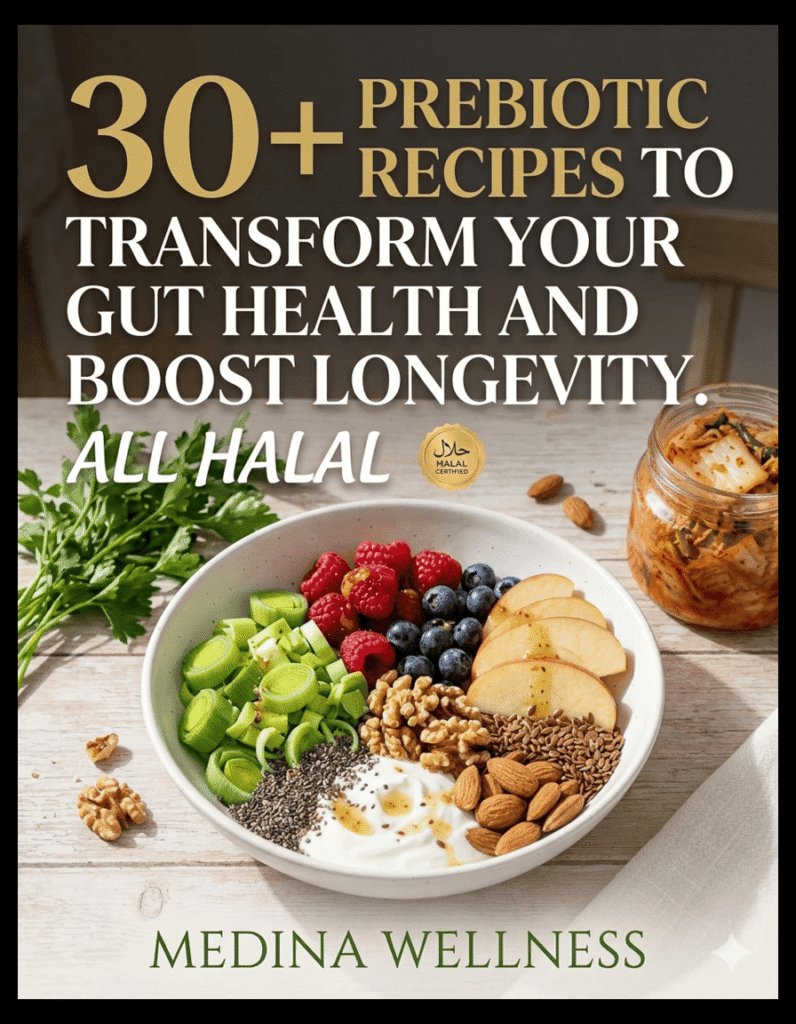
Download this Cookbook on Playstore