 yesarticle.com Free Articles and Guide
The Strait of Hormuz is one of the most strategic waterways on Earth. It connects the Persian Gulf with the Gulf of Oman and plays a vital role in global trade, especially in the oil industry. So, when images and videos began circulating of its waters turning a striking reddish or brownish color, it quickly sparked global curiosity — and concern. Was this a natural phenomenon? Pollution? A sign of environmental crisis? Or something more mysterious?
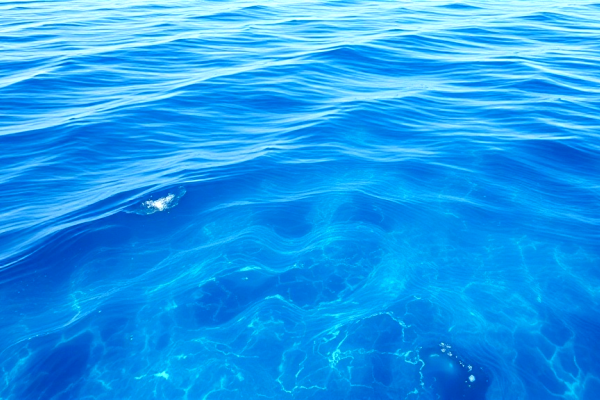
Let’s dive into a deeper analysis of why the Hormuz Sea turned red, what causes it, and what it means for the ecosystem, economy, and surrounding communities.
🌊 What Actually Happened?
The reddish coloration in the waters of the Gulf of Oman and around the Strait of Hormuz is primarily linked to Harmful Algal Blooms (HABs), commonly known as red tide. This is not unique to Hormuz — similar events occur in coastal regions around the world. However, its occurrence in such a highly sensitive and strategic maritime zone makes it particularly significant.
While the water looks visually dramatic — sometimes appearing bright red, rust-brown, or even dark maroon — the real story lies in the microscopic organisms multiplying beneath the surface.
🔬 The Science Behind the Red Color
The main culprits are dinoflagellates, a type of phytoplankton. Under certain environmental conditions, they multiply rapidly, a condition called “blooming.” Some species produce pigments that give the water its striking red hue.
Key Factors Behind the Bloom
1️⃣ Nutrient Pollution (Eutrophication)
Runoff from coastal cities, agricultural areas, sewage discharge, and industrial waste enrich the sea with nitrogen and phosphorus. These nutrients feed algae — causing explosive growth.
2️⃣ Climate and Temperature
Rising sea temperatures create a favorable environment for algal blooms. Warmer waters speed up reproduction cycles of phytoplankton.
3️⃣ Calm Waters and Limited Circulation
Hormuz is known for seasonal calm waters and reduced water circulation in certain areas, allowing blooms to concentrate and stagnate.
4️⃣ Seasonal Upwelling
Ocean currents sometimes bring nutrient-rich deep waters to the surface, further boosting algae growth.
5️⃣ Human Activity
Heavy shipping traffic, coastal development, and industrialization in nearby Gulf nations contribute significantly to pollution and environmental stress.
☠️ Is It Dangerous?
Unfortunately, yes — in several ways.
Environmental Impact
- Some algal species release toxins harmful to marine life.
- Algal decay consumes oxygen, causing dead zones where fish and marine organisms suffocate.
- Coral reefs and delicate ecosystems face severe stress.
Economic Impact
- Fisheries suffer massive losses.
- Tourism declines due to foul odor and water discoloration.
- Coastal desalination plants — critical in Gulf countries — risk contamination and must shut down temporarily.
Human Health Concerns
Although people rarely come into direct danger from the color itself, the toxins can:
- Affect seafood safety
- Trigger respiratory or skin issues in certain conditions
🌍 Is Climate Change Making It Worse?
Many scientists believe so.
Higher temperatures, changing ocean chemistry, and increasingly unpredictable weather patterns are believed to intensify the frequency and severity of harmful algal blooms globally. The Gulf region, already known for warm waters, is especially vulnerable.
🧪 Is It Always Toxic?
Not every red tide is poisonous. Some blooms are simply pigment-heavy yet harmless. However, even non-toxic blooms can still damage ecosystems by blocking sunlight and reducing oxygen levels in water.
That said, distinguishing toxic vs. non-toxic blooms requires laboratory testing, and authorities in the region have periodically conducted such investigations to monitor marine safety.
🛰️ Monitoring and Response Efforts
Countries surrounding the Hormuz region have increased:
- Satellite monitoring of marine waters
- Environmental regulations on industrial discharge
- Investment in desalination safety technology
- Scientific research on marine biology and climate impacts
However, long-term solutions require stronger regional cooperation and sustainable environmental management.
🧭 Final Thoughts
The Hormuz Sea turning red is not a random miracle of nature — it’s a powerful environmental signal. It reminds us how fragile marine ecosystems are and how human activity and climate change are reshaping oceans in real time. While the phenomenon attracts curiosity and sometimes awe, it also demands awareness, science-based solutions, and environmental responsibility.
The red color may fade — but the message it leaves behind shouldn’t.
Anda bisa melihat usia detail anda disini age calculator Sampai dengan bulan, hari.