 yesarticle.com Free Articles and Guide
In a world increasingly driven by technology and rapid communication, the timeless art of storytelling has not only endured but has also taken on a transformative role in our psychological well-being. The power of narrative extends far beyond entertainment; studies suggest that stories can heal the psyche, offering a path to understanding ourselves and our experiences.
The Science Behind Storytelling
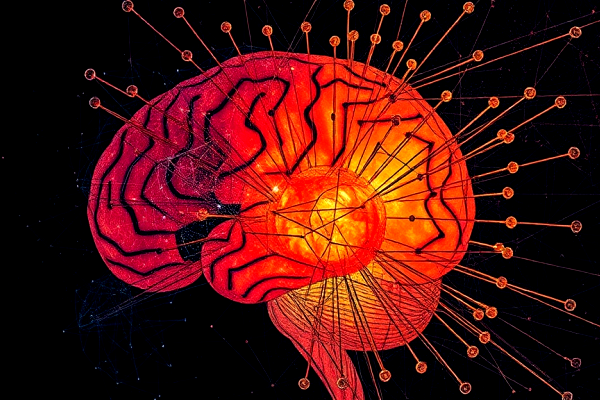
At its core, storytelling engages both the mind and the heart. Research in psychology indicates that narratives activate regions of the brain responsible for empathy, allowing listeners to understand experiences outside their own. When we hear stories, our brains light up in ways that mirror the narrator’s emotions and thoughts, creating a shared experience that fosters connection.
The Therapeutic Effect of Stories
1. Healing Trauma
For those grappling with trauma, storytelling can serve as a form of catharsis. By narrating their experiences, individuals often find clarity and meaning in events that once felt chaotic. This process is a cornerstone of therapies like Narrative Exposure Therapy (NET), which helps individuals articulate and organize their traumatic memories, ultimately aiding in better emotional recovery.
2. Building Resilience
Resilience is not an inherent trait; it is cultivated through experiences and perspectives. Stories, especially those of overcoming adversity, can inspire individuals to see their challenges in a new light. When one hears how others have navigated hardship, it often encourages a belief in their own ability to endure and prevail.
3. Creating Community
Shared narratives foster a sense of belonging. When individuals tell their stories, they often find common ground with others, leading to solidarity and support. This communal aspect of storytelling can be profoundly healing, as it mitigates feelings of isolation and promotes understanding.
The Structure of a Transformative Story
Not all stories carry the same weight. A narrative’s structure can greatly influence its impact. Here are key elements that can make a story particularly healing:
-
- Authenticity: Honest stories resonate. Whether they are filled with triumph or uncertainty, genuine emotions allow listeners to connect deeply.
-
- Relatability: When listeners can see themselves in a narrative, it creates an instant bond. This connection can help others process their own experiences through the lens of someone else’s journey.
-
- Resolution: Stories that lead to a resolution offer hope. They show that, although life may be challenging, it is possible to find a path forward.
Harnessing the Power of Your Own Narrative
Everyone has a story to tell. Embracing your narrative can be a powerful step toward self-awareness and healing. Here are some ways to harness the power of your own story:
-
- Journaling: Writing down your thoughts and experiences can be a therapeutic exercise. It allows for reflection and can help clarify emotions.
-
- Sharing: Whether through support groups, blogs, or social media, sharing your story can open avenues for connection. You might be surprised by the responses and solidarity you find.
-
- Listening: Engaging with others’ narratives can broaden your perspective and provide insights into your own life. Active listening can deepen relationships and foster empathy.
Conclusion
The power of narrative is undeniable. Stories have the ability to heal wounds, build resilience, and create community. As we navigate the complexities of life, embracing our narratives—both in sharing and listening—can be a profound step towards healing the psyche. Whether through literature, therapy, or personal reflection, the art of storytelling continues to shape our understanding of ourselves and one another. In a world that often feels disconnected, perhaps it’s time we turn to the timeless power of stories to reclaim our narratives and heal together.