 yesarticle.com Free Articles and Guide
Hey there! Let’s chat about something a little different—Diabetes Insipidus (DI). Now, before you raise an eyebrow and think, “Isn’t that the same thing as diabetes?”—let’s clarify! While both share the term “diabetes,” DI is a totally different ballgame. Buckle up, because we’re diving deep into this rare condition!
What Exactly Is Diabetes Insipidus?
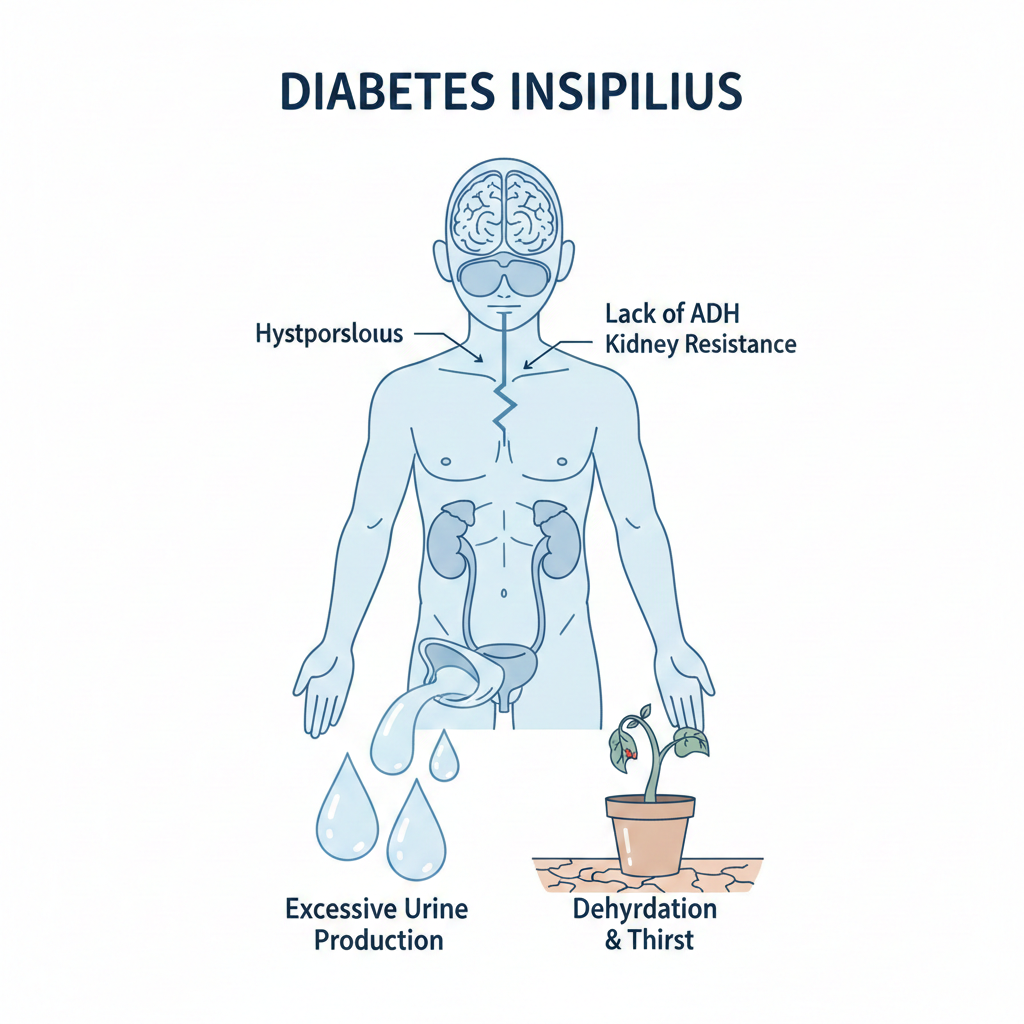
Diabetes Insipidus is a rare disorder that affects the body’s ability to manage fluids. Imagine your kidneys as water-saving ninjas, but in DI, they just can’t seem to get their act together! This leads to excessive thirst and urination. Yup, we’re talking about creating a seemingly endless supply of bathroom breaks!
Types of Diabetes Insipidus
There are a few flavors of DI, so let’s break them down:
1. Central Diabetes Insipidus
This is the most common type and is usually caused by damage to the pituitary gland. This damage can stem from head injuries, tumors, or even infections. As a result, your body doesn’t produce enough of the hormone vasopressin, leading to all those frequent trips to the loo.
2. Nephrogenic Diabetes Insipidus
In this case, the kidneys just aren’t responding properly to vasopressin. It can be genetic or caused by certain medications. Think of it like your kidneys playing hard to get—no matter how much vasopressin you throw at them, they’re not cooperating!
3. Dipsogenic Diabetes Insipidus
This one’s a bit unique. It’s caused by abnormal thirst regulation in the hypothalamus. When you drink way more water than usual, it can confuse your body and eventually lead to DI. Who knew too much water could be a problem?
Signs and Symptoms
If you’re wondering what to look out for, here are some common symptoms:
-
- Extreme thirst
-
- Frequent urination (hello restroom breaks!)
-
- Dehydration
-
- Dry skin and mouth
If you notice these signs, it’s best to consult a healthcare professional. Knowing your body is key!
Diagnosing Diabetes Insipidus
So, how do doctors figure out if you’ve got DI? It usually involves some blood tests, urine tests, and possibly a water deprivation test. Don’t worry, though! Your doctor will guide you through the process.
Treatment Options
Treating DI depends on the type you have:
Central DI
This one often involves medication like desmopressin, which mimics vasopressin and helps your body retain water.
Nephrogenic DI
Here, treatment might include a low-salt diet and medications that can help your kidneys respond better.
Dipsogenic DI
It’s all about managing your water intake and working with a healthcare provider to handle the thirst regulation issue.
Living with Diabetes Insipidus
While DI can be a daily hassle, it’s manageable with proper care. Staying hydrated is crucial, but don’t overdo it! Regular check-ups with your healthcare provider will help keep everything in check.
Conclusion
So there you have it! Diabetes Insipidus may be rare and a bit of a mouthful to say, but understanding it makes it a lot less daunting. If you think you or someone you know may be dealing with DI, don’t hesitate to reach out to a doctor. Knowledge is power, and being informed is the first step in managing this quirky condition!
Not all diabetes is created equal, and that’s what makes DI particularly fascinating. Now that you’re equipped with some knowledge, you’re one step closer to demystifying this rare water disorder!